The Educator and the Classroom

Unterricht

Former President Theodore Roosevelt gave an often-cited speech about citizenship in a Republic called The Man in the Arena at the Sorbonne in Paris, France on April 23, 1910. Roosevelt, a remarkable man of great accomplishments declared: “There is little use for the being whose tepid soul knows nothing of great and generous emotion, of the high pride, the stern belief, the lofty enthusiasm, of the men who quell the storm and ride the thunder.”

I often think of modern educators as “The Man in the Arena,” although in this case, a better title might be “The Educator and the Classroom.” I love this descriptor of those who quell the storm and ride the thunder. Educators do quell the storm and ride the thunder in educating the public. Too often our critics mistake cynicism for critical thinking, and vice-versa. We must never fear to critically analyze our profession or our performance. Roosevelt would likely remind us “It is not the critic who counts” but those who are actually “in the arena.”

On August 21st, the 2019 Tennessee Educator Survey report was released by Tennessee Education Research Alliance and the Tennessee Department of Education, Over 45,000 educators responded to the survey, representing 62% of the state’s teachers – an all-time high response rate. Lots of positive feedback, as well as some gloom and doom.

The positive feedback includes:

  • Three out of Four teachers report feeling positive about the way things are run at their school.
  • Three out of Four teachers agree that teacher evaluation improves their teaching.
  • Nearly 90 percent of teachers say they would recommend their school to parents.

Among the negative conclusions:

  • Four in 10 teachers feel less enthusiastic than when they began in education.
  • One in three Tennessee teachers reports they would choose another profession in hindsight.
  • As well, one in three also says they would leave teaching altogether if they could find a higher paying job, according to a report released TODAY on the opinions of teachers statewide.
  • Teacher opinions are split on how much planning time they have in schools.
  • Teachers are also spending many hours creating instructional materials, with feedback showing educators are divided on whether instructional materials are adequate.
  • About half of all teacher says they need to modify or create instructional materials.

Policymakers and stakeholders need to take those negative findings very seriously. A third of Tennessee teachers wish they had gone into another profession, and they lack the time and adequate instructional materials to teach the children, which they have been assigned. This does not bode well for Tennessee schools moving forward. Merely increasing teacher salaries does not solve the issue of self-respect, time, or resources.

There is a lot of information for all of us to digest. Education is changing. We need increased educator voices to make Tennessee the best state in the nation for education and in turn, the best place to raise a family. We must proactively address the issues raised by educators, with real and attainable solutions. The philosopher Bertrand Russell often discussed the importance of using our imaginations in constructing our world, which was the inspiration for this point by Sharon Ann Lee: “There are people who build things and people who tear things down. Just remember which side you are on.”

Roosevelt added: “Well for these men if they succeed; well also, though not so well, if they fail, given only that they have nobly ventured, and have put forth all their heart and strength.” If you want to see passion just visit a classroom in Tennessee. There you will witness our educators zealous to see our children educated to the highest level possible. So, choose to be one who builds, not a cynic who merely criticizes the work of others. Offer hope, ideas, and support to those in the classrooms. Then criticize, if you must after you made that effort to quell the storm and ride the thunder.

*********

JC Bowman is the Executive Director of Professional Educators of Tennessee, a non-partisan teacher association headquartered in Nashville, Tennessee. Permission to reprint in whole or in part is hereby granted, provided that the author and the association are properly cited


Better Thinking Equals Better Results

Bill Frist and us.jpg

The State Collaborative on Reforming Education (SCORE) celebrated their 10th Anniversary of working to improve the future for Tennessee students on August 12, 2019.  While we have not always agreed with some of the agenda at Professional Educators of Tennessee, we have never doubted their resolve or pursuit in improving public education in our state.  We are glad to partner with them to improve the future for educators and help our students succeed.

As Chairman of SCORE, Senator Bill Frist should be commended and honored for his tireless advocacy and passion for making education a priority in our state.  We are all better in public education because of his commitment to parents, teachers and especially students.

By advocating for many organizations including our own, Governors Phil Bredesen, Bill Haslam and now Bill Lee have all made education a priority in their administrations.  However, SCORE’s insistence of doing what is best for students to achieve excellence for all has made the greatest impact on public policy in the state this decade.  What has been significant has been consistent leadership at the organization, from former CEO and state senator Jamie Woodson to current CEO David Mansouri, who both shared Frist’s relentless drive in educating our students.

To prepare our children for the future, a student-centered education begins with an excellent teacher. SCORE has been pushing that envelope and playing a critical role in advancing student achievement in Tennessee.  That is why our dialogue with SCORE continues to surround how to engage and empower educators to improve public education.  Those who possess the knowledge about students must have input into the decisions.

We can and we must continue to have policy discussions and debates on improving public education.  Marching in complete lockstep has never produced an original thought.  We have to understand that public education must be completely committed to student success.   Continued collaboration and a spirit of unity remain critical in creating a culture that truly values education.

Providing educators with resources and supports seem to be a foolproof means of making sure that student needs are met completely.  In this area, we all can agree on the critical importance of an authentic teacher voice in policy discussions.  One of the greatest weaknesses of public education, is our isolation in classrooms and in schools.  Teachers need more opportunities for reflection and to develop connections beyond their own school walls or even districts.  That is why membership in professional associations can play a critical role.  The amplified voices of educators that are improving outcomes for students through innovative practices must be shared in our state, and we cannot do it alone.

One of SCORE’s strategic priorities is preparing, recruiting, supporting and retaining excellent teachers and leaders.  There is no doubt that is often overlooked by policymakers at the state and local level.  A school system cannot have high expectations for their students, without a high-quality teacher in their classrooms.  This may prove difficult moving forward, as there are not enough qualified teachers applying for teaching jobs to meet the demand in all locations and fields.   It will take forward-thinking for Tennessee to see our potential for the future.  Simply put: better thinking equals better results.

Every mountain top is within reach if you just keep climbing.  Thank you to SCORE, Senator Frist and your team for your commitment to public education this last decade.  We have much more work left to do.  Together, educators and students across Tennessee will continue to climb higher and our state will rise to the top.

##

JC Bowman is the Executive Director of Professional Educators of Tennessee, a non-partisan teacher association headquartered in Nashville, Tennessee. Permission to reprint in whole or in part is hereby granted, provided that the author and the association are properly cited. For more information on this subject or any education issue please contact Professional Educators of Tennessee.

Excellent Protection and Legal Services for Educators

Fotolia_10161691_Subscription_XL.jpg

We live in a litigious society.  As an educator or school employee, you should be keenly aware that professional liability insurance is critical because district coverage may not protect you individually.  It is dangerous and potentially career-threatening if you enter a public-school classroom without liability or legal protection.    Professional Educators of Tennessee handles legal issues in a positive, professional and confidential manner, without fanfare or publicity. Our members do not want undue publicity that can damage their case or their reputations. That is why you rarely read or hear about our members’ legal problems in the media.

Due to their unique role, educators face exposure to liability much greater than does the average citizen and therefore must exercise a higher duty of care than most professionals. Nearly every day teachers must deal with diverse laws related to issues such as child abuse, student discipline, negligence, defamation, student records, and copyright infringement. Tennessee teachers often cite professional liability insurance as a major reason for becoming a member, and rightly so.  Professional Educators of Tennessee offers educators high-quality legal protection and professional liability insurance, at a fraction of the cost of labor unions.  Our educators’ professional liability insurance is unmatched in Tennessee.

As an educator, you are also a consumer, and you expect and deserve quality services at an affordable price.  Our dues at Professional Educators of Tennessee are currently $189. Contrast that with the roughly $600 or more that you are asked to pay for union dues and you will quickly realize not only cost savings but also more liability protection.  We are less expensive because we are not part of a national organization – money collected is used on organizational goals and stays here in Tennessee.  Politically, we are non-partisan. Your dues will never be utilized as political campaign contributions or to support social issue causes unrelated to education. That alone saves our members money   Teachers’ unions engage in aggressive political partisanship and promote a wide-ranging social agenda on issues unrelated to education, often not reflective of the diverse political views of their broader membership.

Bad things happen to good educators every day. There are certainly increased risks for educators targeted by civil lawsuits.   School districts are spending more on litigation costs and frivolous lawsuits.  Educators need excellent liability coverage to cover inadvertent mistakes that could possibly happen.  It’s is better to be proactive by being a member of Professional Educators of Tennessee, as countless teachers discover during the school year.  In today’s society, false allegations can also occur, and with the prevalence of cell phones and social media, this has made educators even more vulnerable.

There are unnecessary lawsuits filed every year with allegations that have little basis in fact. The American legal system makes it easy to file a lawsuit regardless of the merit of the case. Unfortunately, public schools always will be susceptible to legal challenges, and we will never eliminate all lawsuits.  That is why you need professional liability coverage so that you can focus on your job as an educator, and not matters out of your control. When allegations are made, or worse charges are filed, teachers may not be able to count on the backing of a school system or elected official.  You need an organization to stand behind you, preferably one without a partisan agenda.  Our legal resources, including attorneys who know education law are available to assist members with employment concerns. Our legal services team is a phone call away to answer any school-employment questions.

Only Professional Educators of Tennessee offers the peace of mind of $2 Million per member per occurrence, coverage for coaching, tutoring & private instruction, and up to $35,000 for Criminal Acts—and your coverage is never dependent on the discretion/pre-approval of a union boss,  Access to your legal protection is not dependent upon whether your case is determined to be in the best interest of Professional Educators of Tennessee.

As with many professions requiring a state license, the teaching profession—like law and medicine—is governed by a code of ethics. This code outlines standards of personal and professional conduct that you, a member of the profession, must uphold. Violating a standard can have serious consequences for your teaching license.   In addition, in 2018 the state added new laws regarding Teacher Ethics and Teacher Misconduct.  Districts are now required to offer annual training in ethics.   Our organization has partnered with the state to offer online ethics training to our members and other educators.

Unlike other organizations, where employment protection is discretionary, Professional Educators of Tennessee has no committee or group of people who will decide whether or not you will be represented should you face such an employment situation. This coverage saves our members thousands of dollars in legal fees every year and provides immeasurable peace of mind.

Our counseling philosophy is the best way to avoid having a situation escalate to a legal problem and only requires you to call us before the situation gets out of hand. It is very important to know your legal rights and responsibilities. Your membership with Professional Educators of Tennessee and our working relationship with you ensures your rights are not only realized but protected.

##

When you have a job-related legal question or concern that may have legal implications, make your first call to Professional Educators of Tennessee or email legal@proedtn.org.  Speaking to an in-house attorney is the best and most efficient way to avoid having a situation escalate into a legal problem. It is critical that you know your legal rights and responsibilities. Your membership with Professional Educators of Tennessee ensures that you will be informed without delay. We are here to help and support our members.

A Primer on Collaborative Conferencing in Tennessee

Fotolia_9588771_Subscription_XXL.jpg

Seemingly every year we have to revisit the issue of collaborative conferencing for stakeholders and policymakers.  The initial training in the principles and techniques of interest-based collaborative problem-solving for use in collaborative conferencing pursuant to this part was initially to be developed by the Tennessee Organization of School Superintendents (TOSS) in conjunction with representative organizations of school leaders and administrators and professional employees’ organizations.  The Tennessee School Boards Association (TSBA) subsequently conducted the training in 2011.  Representatives of Professional Educators of Tennessee, TOSS, TSBA, and the teacher’s union all participated in this training.  A detailed report was sent to the Tennessee General Assembly on the activities of the training and participants in 2012.

Collaborative Conferencing is the process by which local boards of education and their professional employees meet, either directly or through representatives designated by the respective parties, to confer, consult, and discuss matters relating to certain terms and conditions of professional service as specified by the passing of the Professional Educators Collaborative Conferencing Act (PECCA).  The process of collaborative conferencing includes the exchange of information, opinions, and proposals among the conferencing parties, as well as the use of the principles and techniques of interest-based collaborative problem-solving (IBCPS).

The term “interest-based collaborative problem-solving” is not defined by the new law. However, interest-based collaborative problem-solving is an increasingly popular method of multiparty consensus-building negotiation. It is based upon mutual interests and respect among the parties, jointly identifying problems, the open, free exchange of information, nurturing creativity in the generation of options, and a good-faith, non-adversarial approach to solving problems using agreed- to criteria. This is intended to lead to an agreement between the parties based upon consensus and mutual gain.  In the perfect world all parties work together, and all members of the collaborative conferencing teamwork toward a common objective in unity.  In education, that concept may not work, if one side chooses not to engage in consensus building and the other side decides to file unnecessary lawsuits.  Professional Educators of Tennessee fervently supports the right of educators to discuss working conditions and salary with their employers.

In collaborative conferencing local boards are required to address:  Salaries or wages; Grievance procedures; Insurance; Fringe benefits (not to include pensions or retirement programs of the Tennessee consolidated retirement system or locally authorized early retirement incentives); Working conditions, except those working conditions that are prescribed by federal law, state law, private act, municipal charter or rules and regulations of the State Board of Education, the Department of Education or any other department or agency of state or local government; Leave; and, Payroll deductions (except with respect to those funds going to political activities).

Subjects prohibited from conferencing include:  Differentiated pay plans and other incentive compensation programs, including stipends, and associated benefits that are based on professional employee performance that exceeds expectations, or that aid in hiring and retaining highly qualified teachers for hard-to-staff schools and subject areas; Expenditure of grants or awards from federal, state or local governments and foundations or other private organizations that are expressly designed for specific purposes; Evaluation of professional employees pursuant to federal or state law or State Board of Education policy; Staffing decisions and State Board of Education or local board of education policies relating to innovative educational programs under § 49-1-207; innovative high school programs under Title 49, chapter 15; virtual education programs under Title 49, chapter 16; and other programs for innovative schools or school districts that may be enacted by the general assembly; All personnel decisions concerning assignment of professional employees, including, but not limited to, filling of vacancies, assignments to specific schools, positions, professional duties, transfers within the system, layoffs, reductions in force, and recall. No agreement shall include provisions that require personnel decisions to be determined on the basis of tenure, seniority or length of service; and, payroll deductions for political activities.

The law was very clear on deadlines and specific dates.  The submission (by fifteen percent (15%) or more of the professional employees) of a written request to conduct collaborative conferencing with the board of education, must be done not before October 1 and no later than November 1.   The selection and appointment of the professional employee and board of education representatives must be done no later than December 1. The transmission to the board of the confidential poll results and the names and positions of the appointed representatives must be done by January 1.  This is the law.  If the law needs to be changed, all groups should work together through the Tennessee General Assembly to make the appropriate changes.

All educators and all professional employee organizations have the same rights under PECCA.  The school board does not have to enter into a Memorandum of Understanding (MOU), and the MOU should be “prepared jointly” according to the law.  We would suggest that putting some of these items into Board Policy might actually lead to more consistent policy and better working conditions than an MOU that would expire on a specific date.  The law also mandates that any items that require funding cannot become effective “until the local funding body has approved such funding in the budget.”

The Tennessee General Assembly was clear in 2011 that they wanted to get politics out of our public schools while supporting teachers’ rights to fight for higher wages and better working conditions.  The PECCA legislation made clear that directors may communicate with teachers on the subjects of collaborative conferencing through any means, medium or format the director chooses.  Legislators had anticipated that increased collaboration would benefit the women and men in our classrooms with better working conditions, improved dialogue and mutual respect thus benefitting all of our students. There is still work left to do to accomplish this challenging objective.

– – –

JC Bowman is the Executive Director of Professional Educators of Tennessee, a non-partisan teacher association headquartered in Nashville, Tennessee.  Permission to reprint in whole or in part is hereby granted, provided that the author and the association are properly cited. For more information on this subject or any education issue please contact Professional Educators of Tennessee.


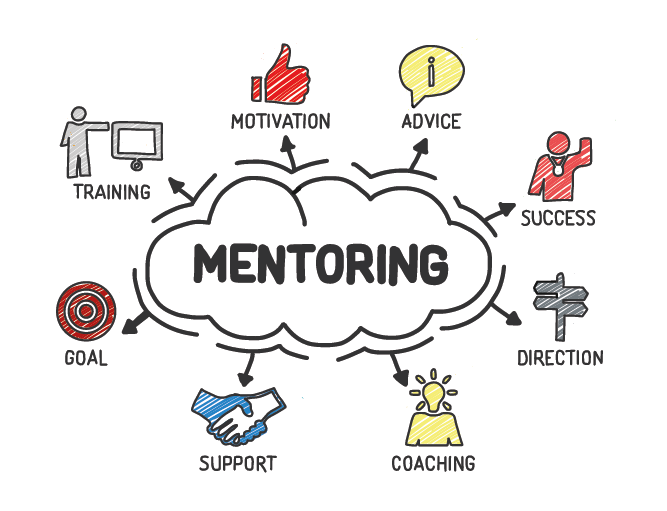
The Importance of Mentors in Education

Teachers are some of the most admired people in our world. Teachers are role models. They inspire us and are admired for the skills they possess in helping others learn. Teachers are also normal people, who often get held to higher standards than politicians or even ministers. Like all of us, teachers make mistakes. However, no other group of professionals is as quick to give up on its members as public education administration when effective counseling would probably take care of the problem.

We know there is no magic fairy dust that is sprinkled on someone to make them an effective teacher. There is no genetic marker that an educator is born with that gives him or her a special skill. There is no Branch of Military Service equivalent that someone can join, like the Marine Corps, for example, that gives an individual training in moral, mental and physical strength needed to be successful in the education field. I would argue it is a lot of trial by error, support from colleagues and the prerequisite leadership in our schools that can shape the success or failure of an individual teacher.

I was blessed to have some extraordinary school leaders like Doyle Harmon in Meigs County, Tennessee and Ed Howard in Bradley County, Tennessee to really help guide me. However, one administrator, Ron Chastain, at Trewhitt Junior High School, really became a mentor, whether that was his goal or not. From him, I learned much about student discipline. I learned consistency mattered. I also learned that we needed to be empathetic, but also willing to be tough. He brought the right balance to the job.

Chastain, who still remains a friend, understood adolescent behavior better than anyone I have ever met. He understood that in order to teach, a classroom had to be orderly. In order to create a safe school for all students, discipline was required. I learned much more from Ron than I ever learned in my coursework in my undergrad and/or graduate work.

My question to policymakers: where can we find high-quality mentors for teachers and administrators? We take our new teachers and often toss them into the most difficult assignments like lambs to a slaughter. Then we wonder why discipline suffers and our teachers experience burnout and fatigue, ultimately leaving the profession. Administrators are often in the same boat. Sadly, we are missing that ingredient of mentorship in our schools today.

Our suggestion is to ensure that money is included in the future Basic Education Program (BEP) to allow for mentorship to occur, either by utilizing highly effective retired educators or granting stipends to experienced classroom teachers with a proven track record in classroom management. This strategy will likely impact teacher retention efforts in a positive fashion and create a better school environment with more consistent discipline and student behavior. 

#####

JC Bowman is the Executive Director of Professional Educators of Tennessee, a non-partisan teacher association headquartered in Nashville, Tennessee. Permission to reprint in whole or in part is hereby granted, provided that the author and the association are properly cited. For more information on this subject or any education issue please contact Professional Educators of Tennessee. To schedule an interview please contact Audrey Shores at 1-800-471-4867 ext.102.

Why Tennessee teachers shouldn’t consider striking

I have never been an advocate of strikes, particularly in the public sector. Beginning last year, and in recent days, several media outlets have contacted our organization about “teacher strikes” in Tennessee. Members of our organization have always believed that educators have the right to teach without being forced to join any particular organization, and that strikes or work stoppages are detrimental to children, parents, the community and the profession. 

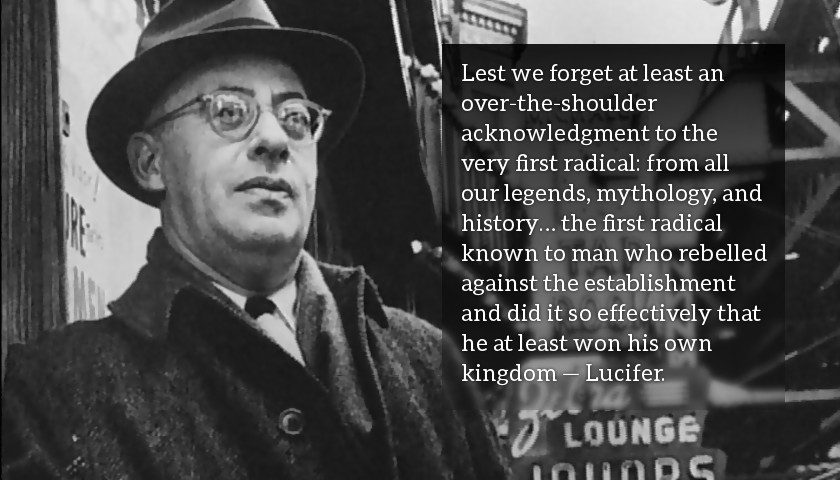
Strikes are rooted in the erroneous, Machiavellian belief that the end justifies the means and is also emphasized in the works by Saul Alinsky. 

Most educators understand the important role that our public schools play in society.  In many cases, public schools offer the critical support necessary to maintain student health, nutrition and safety, including students with severe intellectual disabilities and serious health conditions. This includes many children living in poverty, and those who are homeless. Professional activists and agitators that urge educators in our state to strike do not care about these children, and truth be told, have little concern for the professionals in our classrooms. 

A strike is a throwback to an archaic factory model of governance. More importantly, public servants usually have a higher expectation associated with their trusted role. 

Governing magazine’s Heather Kerrigan points out: “Teachers, firefighters and police are the public workers who people feel a lot of empathy for because of the challenges of their job.” She adds: “I think that public opinion and tolerance level for public-employee strikes is probably fairly low.”    

So, as you read or hear buzzwords like “collective action,” “sickout” or “strike,” remember that it is critical we avoid alienating the public. The old expression rings true:  don’t bite the hand that feeds you. 

However, we can and must inform citizens through a more positive means about significant issues impacting our public schools and the children we serve. Educators do need to be more vocal about spending priorities at the federal, state and local levels.  It is why educator associations like ours are vital and why we have been engaged in the debate. 

Tennessee has made tremendous investments in public education in the last decade.   Not including new investments projected by Gov. Bill Lee’s budget, Tennessee added $1.5 billion in new dollars to public education from 2011 to 2019 under former Gov. Bill Haslam. There is still much more work to do. 

We must continue to invest in our educators and teacher assistants, and critical school staff, making sure those dollars reach their pockets. We must work to reduce testing and give districts other options to measure student achievement. We still need to work to create a simpler and more fair evaluation system. We must address student discipline issues that are spiraling out of control. 

We survey our members on a regular basis and these are issues of importance across the state. 

However, it really does not matter our opinion about strikes. Teacher strikes have been unlawful in our state since 1978. 

Public education in Tennessee wins when we all work together through civil discourse to address our considerable issues. Education is the great equalizer for all children in the state. Passionate and effective teachers, principals and superintendents must lead with creative solutions to problems and not with outworn strategies from the industrial age.

In the 21st century, we must be policy driven, mindful of economic concerns, providing realistic answers to difficult challenges. Adversarial tactics spurred on by outside groups with dubious agendas simply will not benefit Tennessee educators or children.       

JC Bowman is the executive director of Professional Educators of Tennessee, a nonpartisan teacher association headquartered in Nashville.

State of the State Expectations 2019

Governor Bill Lee will give his first State of the State address on Monday, March 4, 2019. The speech is highly anticipated, as it will signal to the state the administration’s priorities for the immediate future. It is where campaign promises, either become realities or go to die. He will undoubtedly address issues across the board, from roads to mental health to criminal justice, and all things in between. My interest will be squarely on public education.

What do I expect the Governor to say about education?

  1. His administration will focus on getting students ready for work.
  2. He will work to strengthen the public education system.
  3. He will look for innovative and student-centered strategies for public education.

How will he do that? Here is what I suggest he might say on Monday night:

He will stress the need to build better connections between labor and education. This will mean facilitating improved linkage between school districts, community and technical colleges, four-year colleges and universities, and local industry. Meaning the state must assess our progress towards the Drive to 55 Goal. Which may include outreach to middle school students about their goals and aspirations. This is likely why one of the first assignments given to the new Education Commissioner, Penny Schwinn, has been to meet with students. Likewise, we will want secondary students to start thinking about their career. Governor Lee will probably push toward greater access to high-quality dual enrollment and dual credit opportunities in technical fields across our state. Work-based learning may be referenced. Governor Lee sees this as an opportunity to help students develop the practical abilities that help them perform in project-based environments, learn to work with others, and grow the discipline needed for success in a competitive workplace. This will require new partnerships between industry and our schools, and may facilitate a more concrete connection between labor and education, which is a direction that the federal government has taken the past few years. The state will also need to expand and improve offerings in STEM.

Governor Lee will likely continue to highlight the work of his predecessors, namely Governor Bredesen and Governor Haslam, in looking at ways to strengthen the foundations of our public education system. It is uncertain if Pre-K will be included. I would argue that he will look at some of the efforts underway and consult with State Representative Bill Dunn on this matter. All success in public education hinges on quality instruction, so it begins with our educators. We all agree that every student deserves highly effective teachers and administrators. So, it would be no surprise to hear the Governor talk about his plan to better develop a pipeline to secure educators here in Tennessee. Compensation is the key to recruitment and retention. Our teacher compensation model needs to be competitive nationally. I expect the Governor to send a message to educators that he recognizes and appreciates their efforts, and he will work to see they are paid for their efforts. I also expect that the Governor will stress the need to build upon Governor Haslam’s efforts in literacy. We know that school safety will also be a priority, as well as the need for additional school counselors. It is important that focus in counseling goes beyond mere college and career, but also into helping students with mental health issues—-especially children who have experienced physical abuse, verbal abuse, sexual abuse, physical neglect, and emotional neglect. Governor Lee must address the testing issue. Too many policymakers and stakeholders have been waiting on a message from the governor about how he plans to improve our assessment system, to ensure that our metrics are empowering and informing, not inhibiting quality instruction, while providing accurate feedback for educators, parents, and students.

On the innovation front, the question is, will he or won’t he bring up parental choice, specifically regarding school vouchers and/or education savings accounts? The administration has signaled more of a wait and see approach thus far. If he plans to bring up school choice, it is more likely to be done in his first term. There has been some indication that the votes are simply not there for a proposal in the Tennessee General Assembly. The Governor is more likely to discuss changes he envisions in creating a modern high school. He is correct that for the last 50 years the way high school has educated students has largely remained unchanged. He may suggest that it is time to embrace new, flexible school models in our high schools. This means he must also discuss supporting locally-driven flexibility and innovation. On the campaign trail, he argued for the need to break down the barriers that have held our teachers, school leaders, and school districts back from creative solutions to the unique challenges of their communities. I would not be surprised to see something like innovation grants from the state for our districts. The question is whether he is willing to make some adjustments to testing, like a pilot project that allows some districts to use the ACT, ACT Aspire, or SAT Suites as a means of assessment in high performing districts. Lee understands when we empower school leaders to bring new solutions to the table and hold them accountable for results, we all win. By piloting innovative approaches that encourage our schools and their communities to work together and design solutions without bureaucratic hurdles, he could send a huge message across the state. Hopefully, Governor Lee will grab the bull by the horns on school finance and discuss the possibilities of a school funding formula to reflect changing 21st century needs. Because of our modern educational mission, priorities, and strategies, businessman Governor Lee understands better than most policymakers the required formula that will support teachers, fund facilities, and facilitate innovation and technology, while looking to better connect K-12 education with workforce needs.

I expect the speech of a lifetime from Governor Lee on Monday night. The State of the State is his one opportunity to lay out for all Tennesseans why we are the best state in the nation for education and in turn, the best place to raise a family. Tennessee continues to be a state that is moving forward.

##

JC Bowman is the Executive Director of Professional Educators of Tennessee, a non-partisan teacher association headquartered in Nashville, Tennessee. Permission to reprint in whole or in part is hereby granted, provided that the author and the association are properly cited. For more information on this subject or any education issue please contact Professional Educators of Tennessee.

Student Discipline Is Out of Control

It is easy to argue that student discipline in public education is out of control.  And in many districts across the state, it clearly is a huge problem.  A recent headline in The Tennessee Star stated:  Metro Nashville Students So Out of Control Teachers Fear for Their Lives, SROs Fleeing from Alternative Schools, Educators, Officials Say.  The article was written after a shocking Teacher Town Hall, hosted by NewsChannel 5 in Nashville.

Lack of student discipline, inadequate administrative support, and lack of respect are frequently cited why teachers leave the teaching profession, almost as much as salary and working conditions.  The situation is clearly getting worse, despite all the feel-good policies enacted by some school boards.  Old fashioned discipline is gone, replaced with fads and trends.  In Tennessee, some legislators are pushing for legislation that is likely to make matters even worse.

The exodus of many veteran Tennessee teachers may have eliminated part of the solution and acerbated the problem, along with an influx of new administrators.  However, that is a simple explanation and a somewhat faulty logic. Worse, it lays the blame for continued societal problems at the feet of public education yet again.

It is true, public education has its issues, from design to execution, but every problem faced by society gets manifested in our schools. Educators work incredible hours, doing thankless tasks that other professionals do not have to do.  Many people have jobs with specific skills and also have a lack of acknowledgment and a shortage of appreciation.  But educators may just win the prize for wearing a multitude of hats. We need more community support.

Teaching is not an eight-hour-a-day, five-day-a-week job. There are many duties that educators tackle that do not require pedagogical skills or experience in the classroom but are necessary for the profession. Teachers need a strong immune system to protect them from exposure to every possible illness in a classroom. Not only that, teachers must comfort and guide those students with little to no support at home.  Teachers spend their evenings and weekends making lesson plans, grading papers, and other extracurricular activities. Teachers often spend their own money on classroom supplies, decorations, and food for their students.

It would be awesome if every educator had a positive and supportive working environment where they could thrive personally and professionally, and where they were free to exercise their expertise and explore the full limits of their talents. Alas, that is not the world we live in.  Every day across Tennessee, our educators work with children who have experienced physical abuse, verbal abuse, sexual abuse, physical neglect, and emotional neglect.

Policymakers and stakeholders at all levels should make it a priority to work together in order to reduce excessive educator workload, at the same time providing salary increases that will actually go into the teachers’ paychecks and not just to the district coffers. However, getting student discipline under control may be a bigger challenge.

News Channel 5 revealed a confidential report where a Nashville law firm warns the Metro Nashville Public Schools (MNPS) that it would become “difficult, if not impossible, for the district to retain qualified and exemplary employees.”  If Nashville is an example, other districts around the state should enact totally different policies.  If MNPS is a model district for any other system, then other districts may soon find themselves in a similar predicament. Administrators, teachers, parents, and students deserve better leadership there.

Student discipline needs the attention of policymakers across the state.  Failure to act quickly and responsibly will only continue to erode support for public education and see quality educators flee the profession.  It is time to address student discipline in a more comprehensive fashion.

– – –

JC Bowman is the Executive Director of Professional Educators of Tennessee, a non-partisan teacher association headquartered in Nashville, Tennessee. Permission to reprint in whole or in part is hereby granted, provided that the author and the association are properly cited. For more information on this subject or any education issue please contact Professional Educators of Tennessee.

Legislation that Hurts School Discipline

I am a very positive person.  I am “that person” who jumps out of bed in the morning excited to just be awake.  That can be annoying to my wife.  Especially if she hasn’t had her coffee.

I rarely feel the need to be blatantly critical of bad legislation.  I will normally talk with the bill sponsor about how we can support their legislation, and/or suggest subsequent changes.  However, there are two pieces of legislation, which will be heard in the K-12 Subcommittee on Wednesday, February 20, 2019, that I think folks need to be aware.  We can all agree that teachers are underpaid, overworked and underappreciated.  However, I simply cannot reconcile the continued barrage of top-down legislation by the Tennessee General Assembly with the needs of educators, which merely add to the workload.  Especially, given the likelihood, it will not help students.  Here are two bills just this week:

HB 0405/SB 0107.  Adverse Childhood Experiences Assessment.We can all hope that no child is ever suspended or expelled from public schools. Every day across Tennessee, our educators work with children who have experienced physical abuse, verbal abuse, sexual abuse, physical neglect, and emotional neglect.  However, this proposed legislation does little to prevent and address the consequences of adverse childhood experiences or promote healthy development and well-being among children, youth, and families.  This legislation places greater responsibility in addressing societal issues squarely upon the school, teachers, and administrators by limiting the ability to discipline misbehavior.  Research is needed to understand the variable effect of adverse childhood experiences across children and move toward evidence to guide recommended prevention and treatment approaches in public education, as well as in the wide range of community-based contexts in which adverse childhood experiences assessment, education, and interventions might take place.  Legislators should take note that a great deal of variability exists within risk groups, further assessment of positive and negative deviance in outcomes and effects for otherwise similar groups of children might prove especially valuable, and would ideally occur in the context of longitudinal studies. Existing longitudinal studies should consider including adverse childhood experiences and related variables for this purpose.  This should be done before a kid ever gets in trouble if this is a concern.  Transparency is the key to any disciplinary issue, and the process must be explained and understood.  However, the cause and effect of not disciplining certain children may create more problems in schools.  Jody Stallings, a nationally renowned teacher recently wrote: “The best way to keep students in school is to increase the number of suspensions.” He added: “In many schools, kids can bully peers, assault teachers, sexually harass classmates and create major disruptions; yet nothing is ever done about it. Then we worry about test scores and achievement gaps while the biggest obstacle to fixing those things is right there in the classroom every day: disruptive students. There is a solution. Put them out.”  That is a harsh assessment, but probably has more of a chance of success than this suggested legislation.  While there may be valid reasons to study the consequences of adverse childhood experiences a child is dealing with, and we must show compassion to all children, this legislation is like asking a fireman to analyze the cause of a fire before extinguishing the blaze.  When you have a fire, you want the firefighter, not the arson investigator.  We think the legislation is worth a discussion, nothing more.  In the end, it does little to address chronic misbehavior issues.  We oppose the legislation that mandates and requires ALL LEA’s to create a policy requiring schools to perform an Adverse Childhood Experiences Assessment before a disciplinary issue involving suspension, including in-school suspension or alternative school, and expulsion.  If a district chooses to adopt this policy, they can do it now without further legislation.  A better message for legislators to send would be that students must realize that their actions have consequences.   And for parents to help re-enforce that position.

HB 0767/SB 0820 Required Training in Restorative Justice.  On the left, Restorative Justice represents a perceived fight against racism.  On the right, the guidance represents a bungled top-down government intervention that allows misbehavior to go unpunished.  Rather than engaging in political rhetoric, we examined the comprehensive study by the RAND Corporation on this subject.  The RAND Corporation is considered the gold standard in social science research.  The findings: restorative justice led to safer schools, but also hurt black students’ test scores.  We can all agree that disciplinary processes must become more transparent.  The U.S. Department of Justice and the U.S. Department of Education on December 21, 2018, withdrew their statements of policy and guidance on Restorative Justice.   In light of this action, we OPPOSE mandatory training for ALL employees in an LEA.  Any district that wishes to engage in such training should be free to engage in training.  The results should be studied and shared with the state.   The state has a responsibility to vigorously enforcing civil rights protections on behalf of all students. The robust protections against race, color, and national origin discrimination guaranteed by the Constitution, Title IV, and Title VI remain unchanged and continue to be vital for educational institutions in the United States.  This legislation, if rejected will not change those policies.

Julie Marburger, a sixth-grade teacher at Cedar Creek Intermediate School in Texas describes what many educators are experiencing when she posted: “People absolutely HAVE to stop coddling and enabling their children. It’s a problem that’s going to spread through our society like wildfire. It’s not fair to society, and more importantly, is not fair to the children to teach them this is okay. It will not serve them towards a successful and happy life.”

One teacher in Florida was even fired for giving students zeroes who didn’t hand in work. Teacher Diane Tirado stated: “I’m so upset because we have a nation of kids that are expecting to get paid and live their life just for showing up and it’s not real,”

K-12 Chairman John Ragan, Representatives Curt Haston, Iris Rudder, Teri Lynn Weaver, Mark White, and John Mark Windle understand I hope, that a top-down approach simply does not work in education.  We need discipline policies that districts and schools themselves choose.  Our teachers need more support, not more unproven fads that require more work by educators for unproven results.   Lack of student discipline, inadequate administrative support, and lack of respect are frequently cited why teachers leave the profession.   This legislation does not help.  Let your legislators know your opinion.

—-

JC Bowman is the Executive Director of Professional Educators of Tennessee, a non-partisan teacher association headquartered in Nashville, Tennessee. Permission to reprint in whole or in part is hereby granted, provided that the author and the association are properly cited. For more information on this subject or any education issue please contact Professional Educators of Tennessee.

Let the Committee Decide

The Committee

Face it, we are all sick of government committees appointed by elected officials.  I think it is always wise to seek input from all constituent groups on issues; but in the end, the people elected individuals to make tough decisions for the benefit of all.  That’s why our Founders designed our government as a representative democracy.  If we do not like the decisions of elected officials enough times, we get to vote those individuals out of office.  Building consensus is a good strategy; abdicating to mob rule is a bad strategy.  Forming a posse is also ill-advised, unless you are planning a remake of Tombstone.        

Passing the buck is never the solution to tough issues.    There are times when getting stakeholders from a cross-section of opinions together is helpful in understanding the issue and finding solutions to problems you may not know exists makes a lot of sense.  In fact, a lack of proper knowledge of an issue results in the passage of bad policy and terrible legislation.   Unfortunately, the objective seems to be for many politicians to punt the issue away for a period of time, so they can stay focused on other issues that interest them.  The lack of a long-term agenda makes committee work a short-term solution.  Rarely do we analyze for effectiveness and evaluate this committee process.         

I had to laugh when I saw a Twitter post from Nashville Mayor David Briley when he said: “Together, we can build a focused, research-informed strategy to ensure all Nashville students, regardless of race or income, receive a great education” talking about his informal education advisors.  You know, those “unelected people you didn’t vote into office.”  What makes it worse, Mayor Briley hasn’t really stepped in to offer a strategy to ensure more efficient use of tax dollars in light of recent reports in local media involving Metro Nashville Public Schools (MNPS).  This does not include a recent sexual harassment settlement.   Perhaps Mayor David Briley, Director of Schools Shawn Joseph, School Board Member Amy Frogge,  Investigative Reporter Phil Williams and the Tennessee Comptroller of the Treasury  Justin Wilson should form a committee to ensure financial integrity in regards to MNPS’s financial operations and compliance with applicable statutes, rules and regulations, and/or its record of efficiency and effectiveness.  Just a suggestion for Mayor Briley.   

I tend to be agnostic when it comes to personalities or personnel.  My time in the United States Marine Corps taught me the value of teamwork and working together for the collective good, with whomever is there.   The objective is to educate children.   Period.  End of Discussion.   If the Mayor of Nashville feels that the trained professionals at the Metro Nashville Public Schools and the elected School Board cannot address the issues of the lowest-performing schools in the district, why does he think the unelected “Kitchen Cabinet” he selected can do a better job?  What can these nonprofit leaders and community advocates accomplish that professional educators in the MNPS system are not already doing?  And why are those “leaders and advocates” not already doing it?   Honestly, I think it is insulting. 

Glenn Reynolds, a University of Tennessee law professor, asked the multi-million-dollar question: “How did a system designed to provide government of, by, and for the people devolve into a system in which bureaucrats unaccountable to voters (though exquisitely accountable to political players and special interests) produce masses of law that was never voted on by an elected official?”  It’s time to ask David Briley that question.   We have witnessed enough suggestions by experts and committees.  Maybe we should start listening to parents, teachers, and taxpayers?  They are a pretty formidable committee when they get a voice. And then in the immortal words of Elvis Presley it will be time for “a little less conversation, a little more action.”

—-

JC Bowman is the Executive Director of Professional Educators of Tennessee, a non-partisan teacher association headquartered in Nashville, Tennessee. Permission to reprint in whole or in part is hereby granted, provided that the author and the association are properly cited. For more information on this subject or any education issue please contact Professional Educators of Tennessee.